0 £0.00
products in your basketto quote Checkout
Ooops no items were found.
Try something else.
Ok
Loading…

Sustainable Workwear for 2026 It is no longer ok to send your wornout clothing to landfill !!

6 min
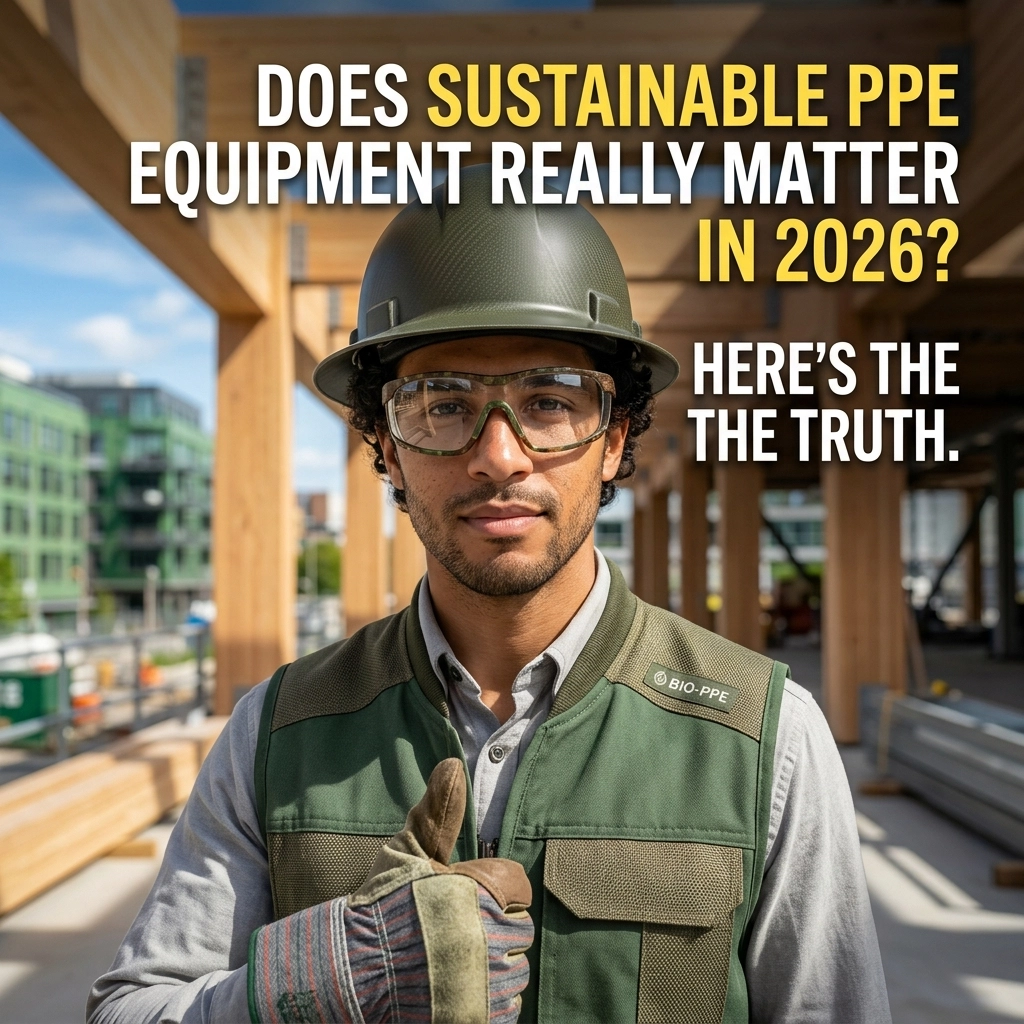
Picture of a man wear brown and green clothing and a hard hat he is also wearing safety glasses

If you’d asked most site managers five or six years ago about "sustainable workwear," you’d probably have been met with a polite shrug or a joke about wearing hemp sacks on a building site. Back then, PPE was about one thing and one thing only: staying safe and staying visible. If it was cheap and met the standards, it went in the basket.

Fast forward to Monday, 30th of March 2026, and the landscape has shifted. We aren't just talking about the environment because it feels like the right thing to do; we’re talking about it because, in today's market, it’s a business necessity.

At Office Business Supplies, we’ve seen a massive surge in questions about "green" gear. Is it as safe? Does it last? And frankly, does it actually matter for your bottom line?

Let’s get into the truth about sustainable PPE equipment in 2026.

Why Sustainability is No Longer Optional

In 2026, the "why" behind sustainable workwear has shifted from moral choice to a practical requirement. If you are chasing big contracts in construction, maintenance, or the public sector, you’ve likely noticed the "Sustainability" section of the tender document getting longer and more detailed.

1. The Tender Trap

Many local authorities and large-scale developers now require a full carbon footprint report for their entire supply chain. This includes the clothes your engineers wear on-site. If your competitors are showing up in certified recycled hi-vis clothing and you’re still buying the cheapest "disposable" vests, you might be losing out on points before you’ve even quoted for the job.

2. Brand Values and Public Perception

Your team are walking billboards for your company. When your engineers turn up at a customer’s home or a high-profile site wearing high-quality, branded gear that clearly signals a commitment to the planet, it speaks volumes. It’s part of your Corporate Social Responsibility (CSR) goals, sure, but it’s also just good marketing.


The "Safety First" Rule: No Compromises

Here is the part where I have to be blunt: Safety and compliance must never be sacrificed for eco-friendliness.

A vest made of recycled plastic is only "sustainable" if it actually keeps the wearer visible and safe. In 2026, the technology has caught up. We now have sustainable fabrics that meet all the rigorous EN standards you’re used to. Whether it’s EN ISO 20471 for high visibility or specific flame-retardant standards, the "green" versions are held to the exact same benchmarks.

When you’re looking at specialized gear like respirators or ear plugs, the focus remains 100% on performance. However, manufacturers are now finding ways to make the packaging more recyclable or using bio-based plastics in the components where possible.

The rule of thumb for 2026? Check the certification first, the fabric second. If you’re unsure what you need for your specific trade, have a look at our previous guide: [PPE Equipment: The Essential Guide].

The Tech Behind the Gear: Recycled is the New Standard

So, what does "sustainable" actually look like in a warehouse? It’s not about fragile fabrics. Brands like Regatta have led the way with their 'Honestly Made' range.

They take 100% recycled polyester fabric and turn it into high-performance workwear. We’re talking about taking plastic bottles out of the ocean and turning them into the branded fleeces your team wears every morning. It’s impressive stuff. These garments are:

  • Water-repellent: Perfect for the unpredictable UK weather.
  • Breathable: Vital for engineers moving around on-site.
  • Pilling resistant: So they don't look "bubbly" and old after three washes.

When you choose these options, you’re not just buying a jacket; you’re buying into a circular economy.

Durable PPE = Sustainable PPE

One of the biggest misconceptions about sustainability is that it’s all about the material. The most "eco-friendly" thing you can do for your business is to buy better and buy less.

The "throwaway culture" of cheap, low-quality PPE is the biggest enemy of sustainability. If you buy a pack of 50 bottom-tier hi-vis vests that fall apart after one month on a dusty site, you’ve created a massive amount of waste.

Compare that to investing in high-quality [High-Vis, High Standards] gear. If a garment lasts an entire season or a year because the stitching is reinforced and the fabric is durable, your environmental impact is slashed. It’s also better for your wallet in the long run. Buying quality is a practical business decision that just happens to be good for the planet.

Beyond the Clothes: The Full Site Ecosystem

Sustainability doesn’t stop at the jacket. In 2026, we’re seeing companies look at their entire site setup.

  • Power: Instead of burning through thousands of alkaline batteries for torches and tools, many sites have switched to rechargeable batteries. It’s a small change that saves a fortune over a year.
  • Documentation: Even the way we track site safety is changing. While we still provide plenty of notebooks and listing paper for essential record-keeping, many firms are opting for recycled paper options to stay in line with their environmental policies.
  • Visitor Management: Even the way you welcome people to a site matters. Using biodegradable or recycled materials for a visitors-badge shows attention to detail.

The Benefits for Construction and Maintenance Teams

For those of you in the trades, why should you care?

  1. Employee Pride: Your team wants to work for a company that gives a damn. Providing them with high-quality, sustainable branded fleeces and jackets makes them feel valued. It’s not just "another cheap uniform"; it’s professional gear.
  2. Customer Trust: If you’re a maintenance firm visiting private homes or high-end commercial properties, looking professional and modern is key. Sustainability is a massive talking point for homeowners and facilities managers right now.
  3. Future-Proofing: Regulations aren't going to get more relaxed. By starting the transition to sustainable workwear now, you aren't scrambling when a new law or contract requirement drops in 2027 or 2028.

The Truth? It Matters More Than Ever

To answer the question in the title: Yes, it really matters.

In 2026, sustainable PPE equipment isn't just a niche product for "eco-warriors." It is a core component of a modern, professional, and profitable business. It’s about being smarter with your procurement, looking after your team, and ensuring your brand stays relevant in a competitive market.

You don't have to change everything overnight. Start by looking at your most-replaced items: usually hi-vis clothing and fleeces: and see if there’s a recycled or more durable alternative.

At Office Business Supplies, we’re here to help you navigate these choices. We aren’t just here to sell you a box of pens; we’re here to make sure your business has the tools it needs to succeed in a changing world. Whether you need packing materials for a move or the latest in sustainable site safety gear, we’ve got your back.

Ready to upgrade your team’s gear? Browse our range of PPE or get in touch for a chat about how we can help you meet your sustainability goals this year. Let’s keep your team safe, visible, and ahead of the curve.

Sustainable Workwear for 2026 It is no longer ok to send your wornout clothing to landfill !!

6 min
Picture of a man wear brown and green clothing and a hard hat he is also wearing safety glasses

If you’d asked most site managers five or six years ago about "sustainable workwear," you’d probably have been met with a polite shrug or a joke about wearing hemp sacks on a building site. Back then, PPE was about one thing and one thing only: staying safe and staying visible. If it was cheap and met the standards, it went in the basket.

Fast forward to Monday, 30th of March 2026, and the landscape has shifted. We aren't just talking about the environment because it feels like the right thing to do; we’re talking about it because, in today's market, it’s a business necessity.

At Office Business Supplies, we’ve seen a massive surge in questions about "green" gear. Is it as safe? Does it last? And frankly, does it actually matter for your bottom line?

Let’s get into the truth about sustainable PPE equipment in 2026.

Why Sustainability is No Longer Optional

In 2026, the "why" behind sustainable workwear has shifted from moral choice to a practical requirement. If you are chasing big contracts in construction, maintenance, or the public sector, you’ve likely noticed the "Sustainability" section of the tender document getting longer and more detailed.

1. The Tender Trap

Many local authorities and large-scale developers now require a full carbon footprint report for their entire supply chain. This includes the clothes your engineers wear on-site. If your competitors are showing up in certified recycled hi-vis clothing and you’re still buying the cheapest "disposable" vests, you might be losing out on points before you’ve even quoted for the job.

2. Brand Values and Public Perception

Your team are walking billboards for your company. When your engineers turn up at a customer’s home or a high-profile site wearing high-quality, branded gear that clearly signals a commitment to the planet, it speaks volumes. It’s part of your Corporate Social Responsibility (CSR) goals, sure, but it’s also just good marketing.


The "Safety First" Rule: No Compromises

Here is the part where I have to be blunt: Safety and compliance must never be sacrificed for eco-friendliness.

A vest made of recycled plastic is only "sustainable" if it actually keeps the wearer visible and safe. In 2026, the technology has caught up. We now have sustainable fabrics that meet all the rigorous EN standards you’re used to. Whether it’s EN ISO 20471 for high visibility or specific flame-retardant standards, the "green" versions are held to the exact same benchmarks.

When you’re looking at specialized gear like respirators or ear plugs, the focus remains 100% on performance. However, manufacturers are now finding ways to make the packaging more recyclable or using bio-based plastics in the components where possible.

The rule of thumb for 2026? Check the certification first, the fabric second. If you’re unsure what you need for your specific trade, have a look at our previous guide: [PPE Equipment: The Essential Guide].

The Tech Behind the Gear: Recycled is the New Standard

So, what does "sustainable" actually look like in a warehouse? It’s not about fragile fabrics. Brands like Regatta have led the way with their 'Honestly Made' range.

They take 100% recycled polyester fabric and turn it into high-performance workwear. We’re talking about taking plastic bottles out of the ocean and turning them into the branded fleeces your team wears every morning. It’s impressive stuff. These garments are:

  • Water-repellent: Perfect for the unpredictable UK weather.
  • Breathable: Vital for engineers moving around on-site.
  • Pilling resistant: So they don't look "bubbly" and old after three washes.

When you choose these options, you’re not just buying a jacket; you’re buying into a circular economy.

Durable PPE = Sustainable PPE

One of the biggest misconceptions about sustainability is that it’s all about the material. The most "eco-friendly" thing you can do for your business is to buy better and buy less.

The "throwaway culture" of cheap, low-quality PPE is the biggest enemy of sustainability. If you buy a pack of 50 bottom-tier hi-vis vests that fall apart after one month on a dusty site, you’ve created a massive amount of waste.

Compare that to investing in high-quality [High-Vis, High Standards] gear. If a garment lasts an entire season or a year because the stitching is reinforced and the fabric is durable, your environmental impact is slashed. It’s also better for your wallet in the long run. Buying quality is a practical business decision that just happens to be good for the planet.

Beyond the Clothes: The Full Site Ecosystem

Sustainability doesn’t stop at the jacket. In 2026, we’re seeing companies look at their entire site setup.

  • Power: Instead of burning through thousands of alkaline batteries for torches and tools, many sites have switched to rechargeable batteries. It’s a small change that saves a fortune over a year.
  • Documentation: Even the way we track site safety is changing. While we still provide plenty of notebooks and listing paper for essential record-keeping, many firms are opting for recycled paper options to stay in line with their environmental policies.
  • Visitor Management: Even the way you welcome people to a site matters. Using biodegradable or recycled materials for a visitors-badge shows attention to detail.

The Benefits for Construction and Maintenance Teams

For those of you in the trades, why should you care?

  1. Employee Pride: Your team wants to work for a company that gives a damn. Providing them with high-quality, sustainable branded fleeces and jackets makes them feel valued. It’s not just "another cheap uniform"; it’s professional gear.
  2. Customer Trust: If you’re a maintenance firm visiting private homes or high-end commercial properties, looking professional and modern is key. Sustainability is a massive talking point for homeowners and facilities managers right now.
  3. Future-Proofing: Regulations aren't going to get more relaxed. By starting the transition to sustainable workwear now, you aren't scrambling when a new law or contract requirement drops in 2027 or 2028.

The Truth? It Matters More Than Ever

To answer the question in the title: Yes, it really matters.

In 2026, sustainable PPE equipment isn't just a niche product for "eco-warriors." It is a core component of a modern, professional, and profitable business. It’s about being smarter with your procurement, looking after your team, and ensuring your brand stays relevant in a competitive market.

You don't have to change everything overnight. Start by looking at your most-replaced items: usually hi-vis clothing and fleeces: and see if there’s a recycled or more durable alternative.

At Office Business Supplies, we’re here to help you navigate these choices. We aren’t just here to sell you a box of pens; we’re here to make sure your business has the tools it needs to succeed in a changing world. Whether you need packing materials for a move or the latest in sustainable site safety gear, we’ve got your back.

Ready to upgrade your team’s gear? Browse our range of PPE or get in touch for a chat about how we can help you meet your sustainability goals this year. Let’s keep your team safe, visible, and ahead of the curve.

SEARCH ×