0 £0.00
products in your basketto quote Checkout
Ooops no items were found.
Try something else.
Ok
Loading…

The Engineer’s Winter Guide: Is a Branded Fleece or Softshell Better for On-Site Work?

7 min
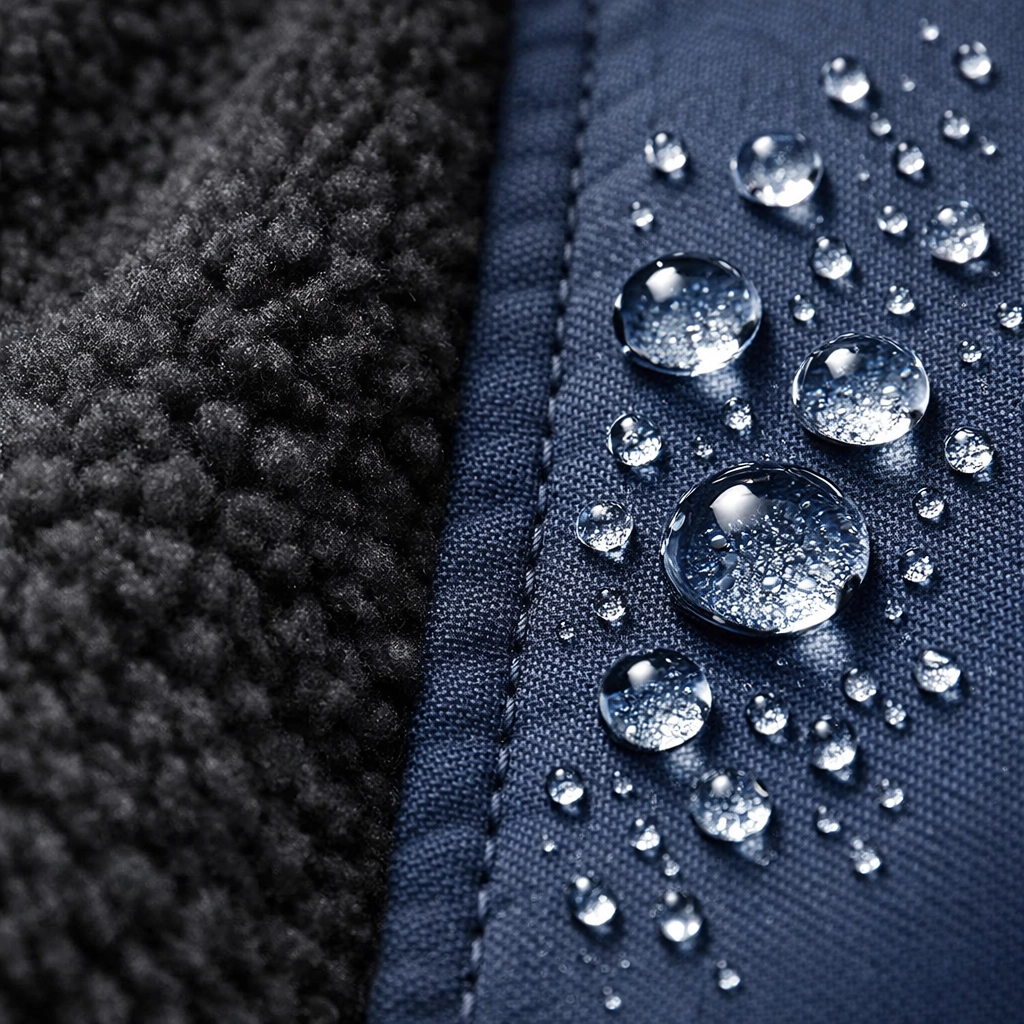
Black Fleece Jacket next to Blue Shell Jacket with water drops on the jacket Black Fleece Jacket next to Blue Shell Jacket with water drops on the jacket

The Engineer’s Winter Guide: Is a Branded Fleece or Softshell Better for On-Site Work?

When you’re out on-site in the middle of a British winter, the wind doesn’t care about your project deadline. Whether you’re an electrical engineer fixing a substation, a site manager overseeing a new build, or a maintenance tech troubleshooting an HVAC system in a drafty warehouse, your gear is your first line of defense.

At Office Business Supplies, we talk to business owners every day who are looking to kit out their teams. A common question we get is: "Susann, should I get the team branded fleeces or softshell jackets?"

It’s a fair question. Both look professional with a sharp company logo, and both offer warmth. But for an engineer, the choice often comes down to the environment they’re working in. Is it dusty? Is it damp? Are they meeting high-end clients or crawling through crawl spaces?

In this guide, we’re going to break down the technical differences, the "wash-and-wear" reality, and which brands: like Uneek, Regatta, and Russell: actually stand up to the rigours of on-site work.


The Technical Showdown: Insulation vs. Protection

Before we look at the branding, we need to understand what these garments actually do. They aren't just "jumpers" and "coats." They are engineered pieces of workwear designed for specific tasks.

Branded Fleeces: The Insulation Kings

Fleece is essentially a synthetic wool made from polyester. Its job is to trap air. Because the fibres are "lofted" (fuzzy), they create millions of tiny air pockets that hold your body heat.

  • The Pros: It’s incredibly breathable and offers the best warmth-to-weight ratio. If you’re working in a cold but dry environment, a fleece is like a portable heater.
  • The Cons: Fleece has zero wind resistance. If the wind picks up, it blows right through the fabric, stripping away that trapped heat. It also acts like a sponge in the rain.

Softshell Jackets: The Hybrid Heroes

A softshell is a different beast. It’s usually made of a woven outer face bonded to a thin fleece lining. It’s designed to bridge the gap between a fleece and a heavy waterproof "hard shell" jacket.

  • The Pros: Softshells are windproof and highly water-resistant. If you’re caught in a light drizzle or a biting wind, the softshell keeps you protected while still allowing moisture (sweat) to escape.
  • The Cons: They aren't as "warm" as a thick fleece in static conditions. If you're standing still for hours in sub-zero temperatures without a layer underneath, you'll feel the chill faster.

On-Site Durability: The Grime Factor

Engineers don’t sit in climate-controlled offices all day. You’re dealing with brick dust, grease, metal shavings, and the occasional splintering pallet.

Which Stands Up Better to Snagging?

Fleece, by its nature, has a "pile." This makes it prone to snagging on rogue nails or sharp corners. Once a fleece snags, it tends to "pill" (those annoying little bobbles of fabric), which can quickly make a piece of embroidered workwear look old and tired.

Softshells have a smooth, tightly woven outer face. This makes them much more abrasion-resistant. If you brush up against a concrete wall, the softshell is likely to come away unscathed, whereas a fleece might leave a few fibres behind.

The Dirt and Dust Test

Fleece is a magnet for dust. If you’re on a construction site, a black fleece will be grey by lunchtime. Because of the "fuzzy" texture, dust gets trapped deep in the fibres and can be hard to shake off.

Softshells, however, can often be wiped down with a damp cloth. The smooth surface doesn't hold onto grime in the same way, making it the superior choice for engineers who move between the "dirty" site and the "clean" client office.


The "First Impression" Factor: Meeting the Client

As the owner of Office Business Supplies, I always remind our customers that workwear for engineers is also a marketing tool. When your team shows up at a client's door, they are the face of your business.

A high-quality branded fleece looks great when it’s brand new. It looks soft, approachable, and professional. However, after 20 washes, fleeces can start to look a bit "homely." They lose their shape and can look a little lived-in.

A softshell jacket almost always looks sharper. The structured collar, the clean lines, and the slightly technical "sheen" of the fabric scream "expert." If your engineers are frequently dealing with facility managers or corporate clients, the softshell usually provides a more "premium" first impression. It says your team is equipped for the job, no matter the weather.


Brand Focus: Uneek, Regatta, and Russell

When you’re looking at lifestyle products and workwear, the brand matters because it dictates the fit and the longevity of the embroidery.

1. Uneek: The Value Powerhouse

If you have a large team and need to kit them out without breaking the bank, Uneek is the go-to. Their fleeces are heavy-duty and take embroidery exceptionally well. They are practical, no-nonsense garments that do exactly what they say on the tin.

  • Best for: General maintenance teams and high-turnover staff.

2. Regatta: The Outdoor Specialist

Regatta Professional is built for the elements. Their softshells often feature "XPT" technology: enhanced breathability and water repellency. If your engineers are 90% outdoors, Regatta is the logical choice. They understand movement, so their jackets often have articulated sleeves which are great for reaching overhead.

  • Best for: Site engineers, surveyors, and construction crews.

3. Russell: The Executive Choice

Russell Europe makes what I consider the "suit of the workwear world." Their softshells are incredibly sleek and have a very high-quality finish. They fit a bit more "tailored" than the others.

  • Best for: Project managers, lead engineers, and anyone in a client-facing role.

The Ultimate Winter Strategy: Layering Advice

Why choose one when you can have the best of both worlds? The most "expert" way to dress an engineering team for winter is the three-layer system.

  1. Base Layer: A moisture-wicking T-shirt or thermal.
  2. Mid Layer: A branded fleece. This provides the insulation and traps the body heat.
  3. Outer Layer: A softshell jacket. This acts as the "armour," blocking the wind and rain while protecting the fleece underneath.

When the team is working hard and gets too warm, they can shed the softshell. If they’re heading into a client meeting, they can pop the softshell back on to look smart and professional.

For those late-night call-outs, don't forget to equip your team with torches and perhaps some rechargeable batteries to keep the gear running. It’s all part of being prepared.


The Verdict: Which Should You Choose?

So, back to the big question: Is a branded fleece or softshell better?

Choose a Branded Fleece if:

  • Your team works primarily indoors or in temperature-controlled environments (like data centres).
  • Warmth is the absolute priority over wind protection.
  • You’re looking for a cost-effective mid-layer.

Choose a Softshell Jacket if:

  • Your team works outdoors or moves between indoor/outdoor sites.
  • You need something durable that resists snags and dirt.
  • You want a "sharper," more professional corporate look for client meetings.

At Office Business Supplies, we believe that the right gear makes the job easier. We don't just sell office chairs and toner; we help businesses run smoothly from the front office to the construction site.

If you're ready to upgrade your team’s look, why not consider these as business gifts for your long-standing employees? A high-quality, branded jacket is a great way to show the team you value their hard work in the cold.

If you need help deciding on the right sizes or want to see how your logo would look on a Regatta softshell, get in touch with us. We’ve been helping businesses across the UK find the right tools for the job for years, and we'd love to help you too. Check out our Workwear pages to some of our ranges

The Engineer’s Winter Guide: Is a Branded Fleece or Softshell Better for On-Site Work?

7 min
Black Fleece Jacket next to Blue Shell Jacket with water drops on the jacket Black Fleece Jacket next to Blue Shell Jacket with water drops on the jacket

The Engineer’s Winter Guide: Is a Branded Fleece or Softshell Better for On-Site Work?

When you’re out on-site in the middle of a British winter, the wind doesn’t care about your project deadline. Whether you’re an electrical engineer fixing a substation, a site manager overseeing a new build, or a maintenance tech troubleshooting an HVAC system in a drafty warehouse, your gear is your first line of defense.

At Office Business Supplies, we talk to business owners every day who are looking to kit out their teams. A common question we get is: "Susann, should I get the team branded fleeces or softshell jackets?"

It’s a fair question. Both look professional with a sharp company logo, and both offer warmth. But for an engineer, the choice often comes down to the environment they’re working in. Is it dusty? Is it damp? Are they meeting high-end clients or crawling through crawl spaces?

In this guide, we’re going to break down the technical differences, the "wash-and-wear" reality, and which brands: like Uneek, Regatta, and Russell: actually stand up to the rigours of on-site work.


The Technical Showdown: Insulation vs. Protection

Before we look at the branding, we need to understand what these garments actually do. They aren't just "jumpers" and "coats." They are engineered pieces of workwear designed for specific tasks.

Branded Fleeces: The Insulation Kings

Fleece is essentially a synthetic wool made from polyester. Its job is to trap air. Because the fibres are "lofted" (fuzzy), they create millions of tiny air pockets that hold your body heat.

  • The Pros: It’s incredibly breathable and offers the best warmth-to-weight ratio. If you’re working in a cold but dry environment, a fleece is like a portable heater.
  • The Cons: Fleece has zero wind resistance. If the wind picks up, it blows right through the fabric, stripping away that trapped heat. It also acts like a sponge in the rain.

Softshell Jackets: The Hybrid Heroes

A softshell is a different beast. It’s usually made of a woven outer face bonded to a thin fleece lining. It’s designed to bridge the gap between a fleece and a heavy waterproof "hard shell" jacket.

  • The Pros: Softshells are windproof and highly water-resistant. If you’re caught in a light drizzle or a biting wind, the softshell keeps you protected while still allowing moisture (sweat) to escape.
  • The Cons: They aren't as "warm" as a thick fleece in static conditions. If you're standing still for hours in sub-zero temperatures without a layer underneath, you'll feel the chill faster.

On-Site Durability: The Grime Factor

Engineers don’t sit in climate-controlled offices all day. You’re dealing with brick dust, grease, metal shavings, and the occasional splintering pallet.

Which Stands Up Better to Snagging?

Fleece, by its nature, has a "pile." This makes it prone to snagging on rogue nails or sharp corners. Once a fleece snags, it tends to "pill" (those annoying little bobbles of fabric), which can quickly make a piece of embroidered workwear look old and tired.

Softshells have a smooth, tightly woven outer face. This makes them much more abrasion-resistant. If you brush up against a concrete wall, the softshell is likely to come away unscathed, whereas a fleece might leave a few fibres behind.

The Dirt and Dust Test

Fleece is a magnet for dust. If you’re on a construction site, a black fleece will be grey by lunchtime. Because of the "fuzzy" texture, dust gets trapped deep in the fibres and can be hard to shake off.

Softshells, however, can often be wiped down with a damp cloth. The smooth surface doesn't hold onto grime in the same way, making it the superior choice for engineers who move between the "dirty" site and the "clean" client office.


The "First Impression" Factor: Meeting the Client

As the owner of Office Business Supplies, I always remind our customers that workwear for engineers is also a marketing tool. When your team shows up at a client's door, they are the face of your business.

A high-quality branded fleece looks great when it’s brand new. It looks soft, approachable, and professional. However, after 20 washes, fleeces can start to look a bit "homely." They lose their shape and can look a little lived-in.

A softshell jacket almost always looks sharper. The structured collar, the clean lines, and the slightly technical "sheen" of the fabric scream "expert." If your engineers are frequently dealing with facility managers or corporate clients, the softshell usually provides a more "premium" first impression. It says your team is equipped for the job, no matter the weather.


Brand Focus: Uneek, Regatta, and Russell

When you’re looking at lifestyle products and workwear, the brand matters because it dictates the fit and the longevity of the embroidery.

1. Uneek: The Value Powerhouse

If you have a large team and need to kit them out without breaking the bank, Uneek is the go-to. Their fleeces are heavy-duty and take embroidery exceptionally well. They are practical, no-nonsense garments that do exactly what they say on the tin.

  • Best for: General maintenance teams and high-turnover staff.

2. Regatta: The Outdoor Specialist

Regatta Professional is built for the elements. Their softshells often feature "XPT" technology: enhanced breathability and water repellency. If your engineers are 90% outdoors, Regatta is the logical choice. They understand movement, so their jackets often have articulated sleeves which are great for reaching overhead.

  • Best for: Site engineers, surveyors, and construction crews.

3. Russell: The Executive Choice

Russell Europe makes what I consider the "suit of the workwear world." Their softshells are incredibly sleek and have a very high-quality finish. They fit a bit more "tailored" than the others.

  • Best for: Project managers, lead engineers, and anyone in a client-facing role.

The Ultimate Winter Strategy: Layering Advice

Why choose one when you can have the best of both worlds? The most "expert" way to dress an engineering team for winter is the three-layer system.

  1. Base Layer: A moisture-wicking T-shirt or thermal.
  2. Mid Layer: A branded fleece. This provides the insulation and traps the body heat.
  3. Outer Layer: A softshell jacket. This acts as the "armour," blocking the wind and rain while protecting the fleece underneath.

When the team is working hard and gets too warm, they can shed the softshell. If they’re heading into a client meeting, they can pop the softshell back on to look smart and professional.

For those late-night call-outs, don't forget to equip your team with torches and perhaps some rechargeable batteries to keep the gear running. It’s all part of being prepared.


The Verdict: Which Should You Choose?

So, back to the big question: Is a branded fleece or softshell better?

Choose a Branded Fleece if:

  • Your team works primarily indoors or in temperature-controlled environments (like data centres).
  • Warmth is the absolute priority over wind protection.
  • You’re looking for a cost-effective mid-layer.

Choose a Softshell Jacket if:

  • Your team works outdoors or moves between indoor/outdoor sites.
  • You need something durable that resists snags and dirt.
  • You want a "sharper," more professional corporate look for client meetings.

At Office Business Supplies, we believe that the right gear makes the job easier. We don't just sell office chairs and toner; we help businesses run smoothly from the front office to the construction site.

If you're ready to upgrade your team’s look, why not consider these as business gifts for your long-standing employees? A high-quality, branded jacket is a great way to show the team you value their hard work in the cold.

If you need help deciding on the right sizes or want to see how your logo would look on a Regatta softshell, get in touch with us. We’ve been helping businesses across the UK find the right tools for the job for years, and we'd love to help you too. Check out our Workwear pages to some of our ranges

SEARCH ×