0 £0.00
products in your basketto quote Checkout
Ooops no items were found.
Try something else.
Ok
Loading…

Which Class of Hi-Vis Clothing Does Your Team Actually Need? (EN ISO 20471 Explained)

7 min
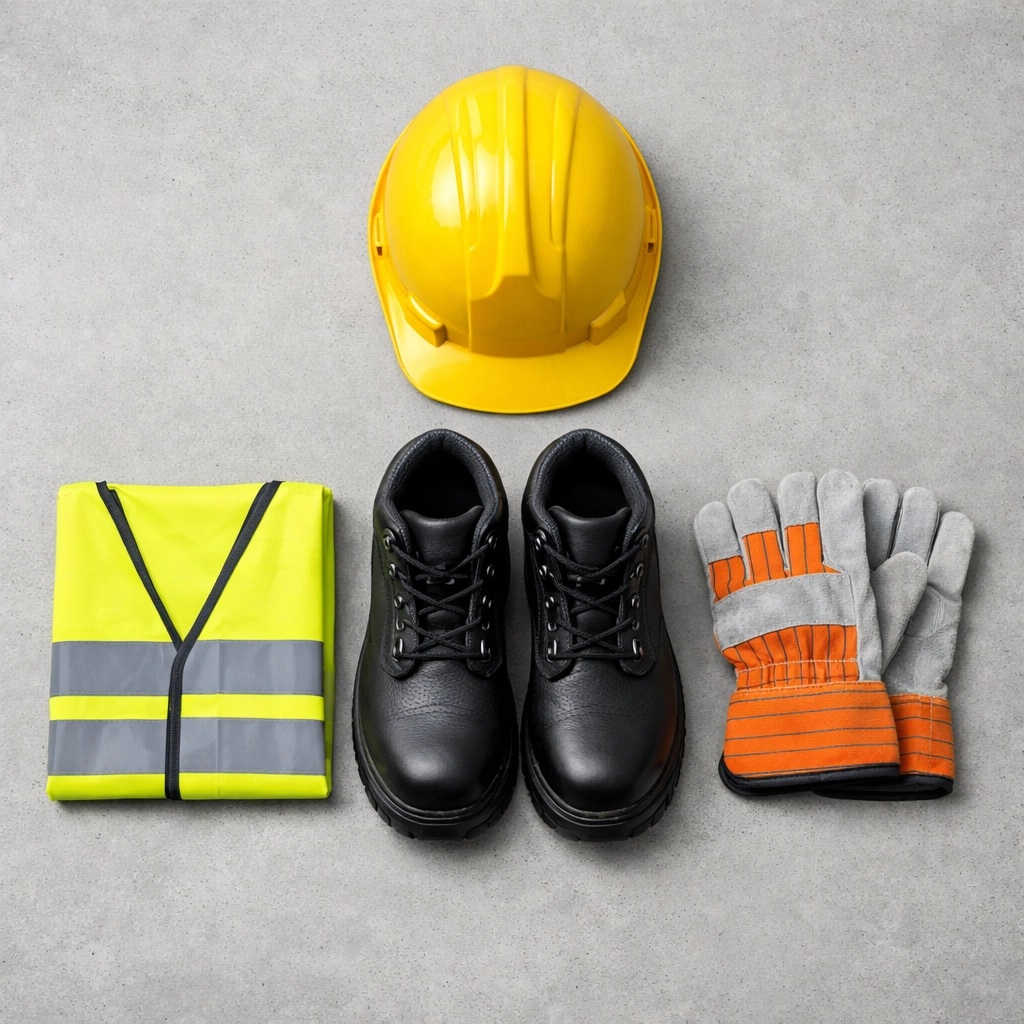
Hard Hat and Hi Viz Vest Hard Hat and Hi Viz Vest

When you’re running a construction site, a busy warehouse, or a maintenance crew, safety isn't just a tick-box exercise: it’s the difference between a productive day and a complete disaster. We’ve all seen the "sea of yellow" on site, but have you ever stopped to look at the labels? Not all hi-vis clothing is created equal.

If you’ve been browsing for new gear at Office Business Supplies, you’ve probably seen terms like "Class 1," "Class 2," and "EN ISO 20471" thrown around. It can feel like alphabet soup when all you really want is to make sure your team is visible, compliant, and comfortable.

Choosing the wrong class isn't just a matter of "close enough." It’s about meeting legal safety requirements and ensuring that a crane operator or a delivery driver can see your workers from a distance, no matter the weather. In this guide, we’re going to break down the technical jargon into practical advice so you can kit out your team with confidence.

So what is EN ISO 20471?

Before we get into the classes, let’s talk about the "rulebook." EN ISO 20471 is the international standard for high-visibility clothing. It replaced the old EN471 standard a few years back. Essentially, it’s a set of rules that dictates how much "shiny stuff" (reflective tape) and "bright stuff" (fluorescent background material) a garment needs to have.

The standard tests for three things:

  1. The colour: Does the yellow, orange, or red stay bright enough over time?
  2. The reflection: Does the tape actually bounce light back to the source (like car headlights)?
  3. The placement: Is the tape positioned in a way that defines the human shape?

At Office Business Supplies, we know that site safety starts with quality. That’s why we stock brands like Uneek and Regatta, which are built to meet these rigorous standards while standing up to the grit and grime of a real workday.

Breaking Down the Classes: 1, 2, and 3

The "Class" of a garment tells you the level of visibility it provides. The higher the number, the more visible the worker is. The right choice depends entirely on a risk assessment of your specific environment.

Class 1: The Low-Risk Level

Class 1 is the lowest level of visibility. To hit this mark, a garment needs 0.14m² of fluorescent material and 0.10m² of reflective tape.

Where to use it:

  • Off-road environments: Private sites where traffic is slow (usually under 30 km/h).
  • Warehouses: Great for indoor staff who need to be seen by forklift operators but aren't working near public roads.
  • Delivery drivers: Perfect for those making drops in well-lit, low-traffic areas.

Typical Class 1 items often include hi-vis trousers (when worn alone) or some basic waistcoats. However, it’s important to note that in many European countries, Class 1 is not permitted for work on public roads.

Class 2: The Urban All-Rounder

This is the most common class you’ll see on construction sites. It requires 0.50m² of fluorescent background and 0.13m² of reflective material. It’s a significant step up from Class 1.

Where to use it:

  • Urban construction sites: Where traffic is moving up to 50 km/h.
  • Road maintenance: For work in lower-speed zones.
  • Public utilities: Perfect for gas, water, or electric teams working near residential streets.

Class 2 garments are usually sleeveless vests (jerkins), polo shirts, or T-shirts. Brands like Uneek offer fantastic Class 2 polo shirts that look professional while keeping your team compliant. They’re a staple for PPE equipment because they balance safety with breathability.

Class 3: The Maximum Protection

When the risks go up, the sleeves go down. Class 3 is the highest level of protection, requiring 0.80m² of fluorescent material and 0.20m² of reflective tape. The key difference here is that Class 3 garments must have sleeves or full-length trouser legs with reflective bands. This ensures the human shape is visible from 360 degrees, even in the worst conditions.

Where to use it:

  • Highways: Essential for anyone working on or near motorways where traffic exceeds 50 km/h.
  • Airports: Ground crews working around moving aircraft and heavy machinery.
  • Emergency Response: Police, ambulance, and fire crews who need to be seen instantly in high-stress environments.
  • Night Work/Bad Weather: If your team is working in heavy rain or at 2 AM, Class 3 is non-negotiable.

Regatta makes some excellent Class 3 heavy-duty jackets that are waterproof and warm, making them perfect for those winter highway shifts.

Can You Mix and Match?

Here’s a practical tip for site managers: You don’t always have to buy a single Class 3 garment. You can actually achieve a Class 3 rating by combining items. For example, wearing a Class 2 jacket with Class 2 trousers can often meet Class 3 requirements, provided they are certified as a set or the total surface area of the materials meets the threshold.

This modular approach is great for changing seasons. In the summer, your team might wear Class 2 T-shirts. In the winter, they can layer up with jackets to hit that Class 3 requirement for darker mornings.

Beyond Visibility: Site Safety and Professional Image

While hi-vis clothing is primarily about safety, it also plays a huge role in your company’s professional image. A team showing up in clean, high-quality, branded hi-vis gear looks organized and reliable. It tells your clients that you take safety seriously.

Furthermore, hi-vis is vital for emergency identification. If an accident does happen on-site, being able to quickly spot staff members is crucial for first responders. Bright orange or yellow makes it much easier to account for everyone during a site evacuation.

At Office Business Supplies, we don’t just stop at vests and jackets. Total site safety requires a "head-to-toe" approach. This includes:

  • Hard Hats: To protect against falling objects or low-clearance hazards.
  • Safety Boots: Steel toe caps are a must for almost any manufacturing or maintenance job.
  • Gloves and Ear Protection: Depending on the machinery being used.

You can find many of these safety essentials in our accessories section.

Maintaining Your Hi-Vis Gear

You wouldn’t believe how many people ruin their expensive PPE by washing it incorrectly. Hi-vis gear has a "shelf life." Every time you wash it, the reflective beads on the tape and the fluorescent dyes in the fabric degrade slightly.

Top tips for maintenance:

  1. Check the label: Most hi-vis garments have a maximum number of wash cycles (often 25 or 50). After that, they may no longer meet the EN ISO 20471 standard.
  2. Wash it inside out: This protects the reflective tape from rubbing against the drum of the machine.
  3. Avoid harsh chemicals: Don't use bleach! It will destroy the fluorescence. For general grime, standard cleaning supplies are usually fine, but keep it gentle.
  4. Dry naturally: High heat from a tumble dryer can crack the reflective tape.

If your team’s vests are looking more "dull mustard" than "fluorescent yellow," it’s time to replace them. Faded hi-vis is no-vis.

Making the Right Choice for Your Team

Choosing the right hi-vis clothing doesn't have to be a headache. Start with a risk assessment: How fast is the traffic? What is the lighting like? Is the weather a factor?

  • Low Risk/Low Speed: Class 1.
  • Moderate Risk/Urban Speed: Class 2.
  • High Risk/Highway Speed/Night: Class 3.

By choosing reputable brands like Uneek and Regatta, you’re investing in gear that your team will actually want to wear. Comfortable gear is gear that stays on: and that’s the best way to keep your site safe.

Ready to kit out your crew? Whether you need a single replacement jacket or a full uniform overhaul including hard hats and safety boots, we’ve got you covered. Check out our full range of PPE and workwear and keep your team visible, compliant, and ready for work.

Which Class of Hi-Vis Clothing Does Your Team Actually Need? (EN ISO 20471 Explained)

7 min
Hard Hat and Hi Viz Vest Hard Hat and Hi Viz Vest

When you’re running a construction site, a busy warehouse, or a maintenance crew, safety isn't just a tick-box exercise: it’s the difference between a productive day and a complete disaster. We’ve all seen the "sea of yellow" on site, but have you ever stopped to look at the labels? Not all hi-vis clothing is created equal.

If you’ve been browsing for new gear at Office Business Supplies, you’ve probably seen terms like "Class 1," "Class 2," and "EN ISO 20471" thrown around. It can feel like alphabet soup when all you really want is to make sure your team is visible, compliant, and comfortable.

Choosing the wrong class isn't just a matter of "close enough." It’s about meeting legal safety requirements and ensuring that a crane operator or a delivery driver can see your workers from a distance, no matter the weather. In this guide, we’re going to break down the technical jargon into practical advice so you can kit out your team with confidence.

So what is EN ISO 20471?

Before we get into the classes, let’s talk about the "rulebook." EN ISO 20471 is the international standard for high-visibility clothing. It replaced the old EN471 standard a few years back. Essentially, it’s a set of rules that dictates how much "shiny stuff" (reflective tape) and "bright stuff" (fluorescent background material) a garment needs to have.

The standard tests for three things:

  1. The colour: Does the yellow, orange, or red stay bright enough over time?
  2. The reflection: Does the tape actually bounce light back to the source (like car headlights)?
  3. The placement: Is the tape positioned in a way that defines the human shape?

At Office Business Supplies, we know that site safety starts with quality. That’s why we stock brands like Uneek and Regatta, which are built to meet these rigorous standards while standing up to the grit and grime of a real workday.

Breaking Down the Classes: 1, 2, and 3

The "Class" of a garment tells you the level of visibility it provides. The higher the number, the more visible the worker is. The right choice depends entirely on a risk assessment of your specific environment.

Class 1: The Low-Risk Level

Class 1 is the lowest level of visibility. To hit this mark, a garment needs 0.14m² of fluorescent material and 0.10m² of reflective tape.

Where to use it:

  • Off-road environments: Private sites where traffic is slow (usually under 30 km/h).
  • Warehouses: Great for indoor staff who need to be seen by forklift operators but aren't working near public roads.
  • Delivery drivers: Perfect for those making drops in well-lit, low-traffic areas.

Typical Class 1 items often include hi-vis trousers (when worn alone) or some basic waistcoats. However, it’s important to note that in many European countries, Class 1 is not permitted for work on public roads.

Class 2: The Urban All-Rounder

This is the most common class you’ll see on construction sites. It requires 0.50m² of fluorescent background and 0.13m² of reflective material. It’s a significant step up from Class 1.

Where to use it:

  • Urban construction sites: Where traffic is moving up to 50 km/h.
  • Road maintenance: For work in lower-speed zones.
  • Public utilities: Perfect for gas, water, or electric teams working near residential streets.

Class 2 garments are usually sleeveless vests (jerkins), polo shirts, or T-shirts. Brands like Uneek offer fantastic Class 2 polo shirts that look professional while keeping your team compliant. They’re a staple for PPE equipment because they balance safety with breathability.

Class 3: The Maximum Protection

When the risks go up, the sleeves go down. Class 3 is the highest level of protection, requiring 0.80m² of fluorescent material and 0.20m² of reflective tape. The key difference here is that Class 3 garments must have sleeves or full-length trouser legs with reflective bands. This ensures the human shape is visible from 360 degrees, even in the worst conditions.

Where to use it:

  • Highways: Essential for anyone working on or near motorways where traffic exceeds 50 km/h.
  • Airports: Ground crews working around moving aircraft and heavy machinery.
  • Emergency Response: Police, ambulance, and fire crews who need to be seen instantly in high-stress environments.
  • Night Work/Bad Weather: If your team is working in heavy rain or at 2 AM, Class 3 is non-negotiable.

Regatta makes some excellent Class 3 heavy-duty jackets that are waterproof and warm, making them perfect for those winter highway shifts.

Can You Mix and Match?

Here’s a practical tip for site managers: You don’t always have to buy a single Class 3 garment. You can actually achieve a Class 3 rating by combining items. For example, wearing a Class 2 jacket with Class 2 trousers can often meet Class 3 requirements, provided they are certified as a set or the total surface area of the materials meets the threshold.

This modular approach is great for changing seasons. In the summer, your team might wear Class 2 T-shirts. In the winter, they can layer up with jackets to hit that Class 3 requirement for darker mornings.

Beyond Visibility: Site Safety and Professional Image

While hi-vis clothing is primarily about safety, it also plays a huge role in your company’s professional image. A team showing up in clean, high-quality, branded hi-vis gear looks organized and reliable. It tells your clients that you take safety seriously.

Furthermore, hi-vis is vital for emergency identification. If an accident does happen on-site, being able to quickly spot staff members is crucial for first responders. Bright orange or yellow makes it much easier to account for everyone during a site evacuation.

At Office Business Supplies, we don’t just stop at vests and jackets. Total site safety requires a "head-to-toe" approach. This includes:

  • Hard Hats: To protect against falling objects or low-clearance hazards.
  • Safety Boots: Steel toe caps are a must for almost any manufacturing or maintenance job.
  • Gloves and Ear Protection: Depending on the machinery being used.

You can find many of these safety essentials in our accessories section.

Maintaining Your Hi-Vis Gear

You wouldn’t believe how many people ruin their expensive PPE by washing it incorrectly. Hi-vis gear has a "shelf life." Every time you wash it, the reflective beads on the tape and the fluorescent dyes in the fabric degrade slightly.

Top tips for maintenance:

  1. Check the label: Most hi-vis garments have a maximum number of wash cycles (often 25 or 50). After that, they may no longer meet the EN ISO 20471 standard.
  2. Wash it inside out: This protects the reflective tape from rubbing against the drum of the machine.
  3. Avoid harsh chemicals: Don't use bleach! It will destroy the fluorescence. For general grime, standard cleaning supplies are usually fine, but keep it gentle.
  4. Dry naturally: High heat from a tumble dryer can crack the reflective tape.

If your team’s vests are looking more "dull mustard" than "fluorescent yellow," it’s time to replace them. Faded hi-vis is no-vis.

Making the Right Choice for Your Team

Choosing the right hi-vis clothing doesn't have to be a headache. Start with a risk assessment: How fast is the traffic? What is the lighting like? Is the weather a factor?

  • Low Risk/Low Speed: Class 1.
  • Moderate Risk/Urban Speed: Class 2.
  • High Risk/Highway Speed/Night: Class 3.

By choosing reputable brands like Uneek and Regatta, you’re investing in gear that your team will actually want to wear. Comfortable gear is gear that stays on: and that’s the best way to keep your site safe.

Ready to kit out your crew? Whether you need a single replacement jacket or a full uniform overhaul including hard hats and safety boots, we’ve got you covered. Check out our full range of PPE and workwear and keep your team visible, compliant, and ready for work.

SEARCH ×