
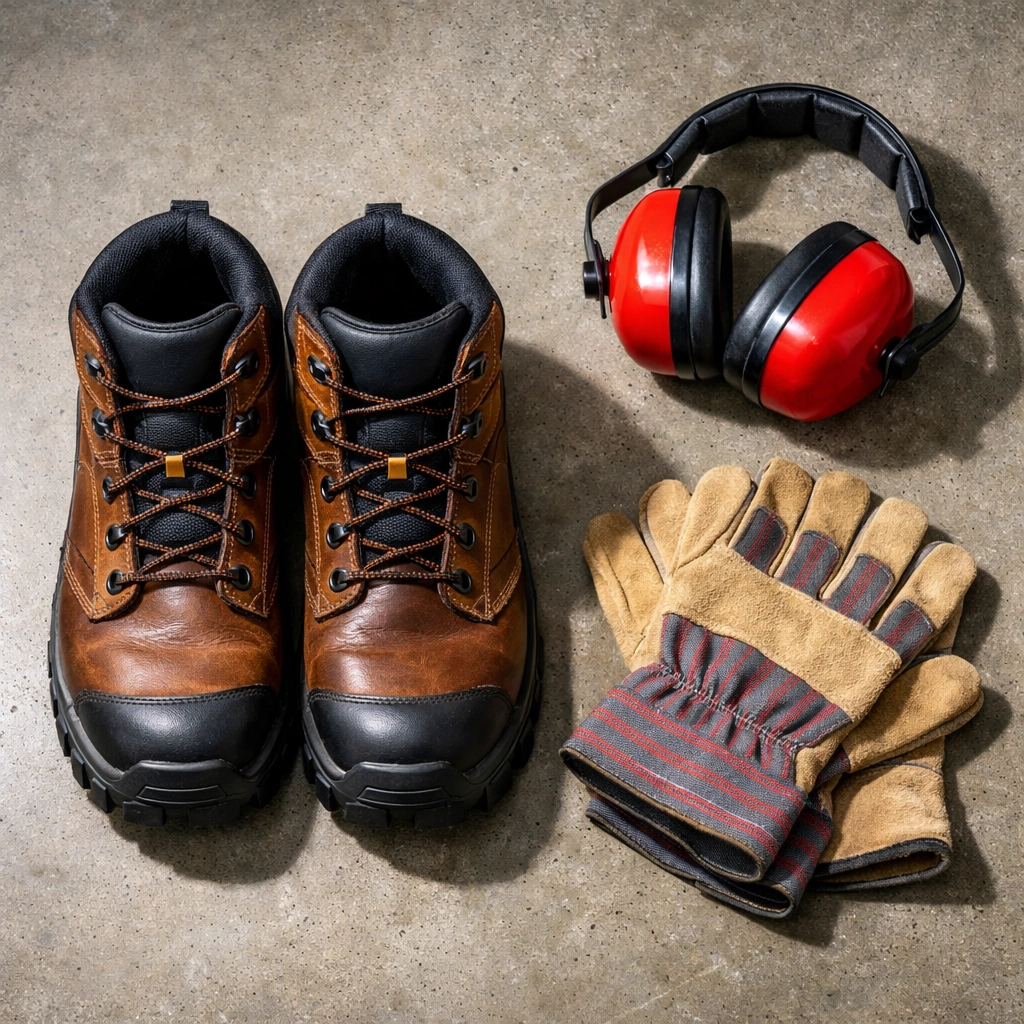
PPE Equipment: The Essential Guide for Construction and Manufacturing
Let’s be honest: in the world of construction and manufacturing, safety gear can sometimes feel like a bit of a chore. We’ve all been there, trying to find a pair of gloves that actually fit or squinting through scratched safety glasses while trying to get a job done on a tight deadline.
But at Office Business Supplies, we see it differently. Proper PPE equipment isn't just about ticking a box for a Health & Safety inspector; it’s about making sure every single person on your site or factory floor goes home in the same condition they arrived in. It’s the final line of defence when things go wrong.
Whether you’re managing a busy building site or a high-output production line, having the right kit is essential. In this guide, we’re going to break down the must-haves, why they matter, and how branding your gear can actually make your site a safer, more unified place to work.
The "Big Five": Essential PPE Items for Every Site
In both construction and manufacturing, there are five key pieces of equipment that form the foundation of any safety plan. If your team isn’t kitted out with these, you’re leaving yourself (and them) wide open to avoidable risks.
1. Hi-Vis Clothing: Staying Seen to Stay Safe
Whether it’s a high-traffic warehouse or a roadside construction project, visibility is everything. Hi-vis clothing: from basic vests to heavy-duty waterproof jackets: ensures that machinery operators and vehicle drivers can spot workers from a distance, even in low-light conditions.
The key here isn't just wearing something bright; it’s about making sure the gear is clean and the reflective strips aren’t worn away. If the "high" is gone from the "visibility," it’s time for a replacement.
2. Hard Hats: Your Most Important Insurance Policy
The stats from the U.S. and UK are clear: head injuries are among the most common causes of workplace fatalities in construction. Hard hats are designed to shield against falling objects, but they also protect against accidental bumps in tight manufacturing spaces.
Modern hard hats are much more comfortable than the clunky versions of ten years ago. Look for adjustable suspension systems that ensure a snug fit: a hard hat that falls off every time someone leans over isn’t doing anyone any favours.
3. Safety Boots: The Foundation of Protection
Your feet are vulnerable to everything from falling bricks to sharp nails and heavy pallets. Quality safety boots with steel (or composite) toe caps and mid-sole penetration protection are non-negotiable.
In a manufacturing environment, slip resistance is often the top priority. Spills happen, and having soles designed to grip wet or oily floors can prevent the kind of "simple" trips that lead to major downtime.
4. Safety Glasses and Face Protection
Debris, sparks, and chemical splashes don’t give warnings. Safety glasses are a small investment that prevents life-altering injuries. For tasks like welding or heavy grinding, full face shields are required. The key to getting teams to actually wear them? Comfort and anti-fog coatings. If they can’t see through them, they won’t wear them.
5. Gloves: Protecting the Tools of the Trade
Your team's hands are their livelihood. Depending on the task, they might need cut-resistant gloves for handling metal, rubber gloves for chemicals, or heavy-duty leather for heat. A "one-size-fits-all" approach rarely works here: providing task-specific gloves is a practical move that boosts productivity and safety.
Identification is a Safety Feature
One thing we often talk to our clients about is the role of identification in Health & Safety. On a large construction site, you’ve often got your core team, several different subcontractors, and maybe a few visitors. In the event of an emergency or a site evacuation, knowing who is who at a glance is vital.
This is where branding your PPE equipment comes into play. If your team is wearing branded hi-vis jackets or hard hats with your company logo, they are immediately recognisable.
If a sub-contractor is in an area they shouldn't be, or if an emergency occurs and you need to account for everyone in a specific zone, the visual cue of a logo or a specific colour of vest makes the process ten times faster. For visitors, using visitors badges alongside temporary hi-vis gear ensures they are never mistaken for trained site staff.
Building a Unified Team Culture
Beyond the safety aspect, there’s a massive psychological benefit to branded PPE. When a team walks onto a site wearing high-quality, professional-looking gear, it sets a tone. It says that the company cares about its image and, more importantly, its people.
We’ve found that when workers feel like they are part of a unified team, they take more pride in their work and look out for one another more effectively. It creates a sense of belonging that you just don't get when everyone is wearing a mix-and-match collection of unbranded vests.
The New Standard: Why "Proper Fit" is Now a Must
A recent shift in safety standards (specifically the 2025 OSHA updates) has put a huge emphasis on properly fitted PPE. In the past, many companies bought "Large" everything and expected everyone to make do.
The problem? Ill-fitting gear is actually dangerous.
- Gloves that are too big can get caught in moving machinery parts.
- Safety boots that are too loose cause blisters and trips.
- Oversized hi-vis jackets can snag on scaffolding or equipment.
Ensuring you have a range of sizes: specifically catering to women and different body types: is no longer just a nice gesture; it’s a requirement for a safe workplace. When gear fits, people wear it correctly. It’s as simple as that.
Don't Forget the "Invisible" Hazards
While we focus a lot on the physical gear you can see, construction and manufacturing have plenty of invisible risks. Noise is the big one. Long-term exposure to loud machinery leads to permanent hearing loss. Providing high-quality ear plugs or defenders is a low-cost way to prevent a high-cost health issue down the line.
Similarly, respiratory protection is crucial. In manufacturing, fumes and fine dust can cause chronic lung conditions. Make sure your hazard assessment includes these invisible threats and that your PPE kit reflects the actual risks on the floor.
Maintenance: Look After Your Gear
PPE doesn't last forever. A hard hat that’s been dropped from a height or left in the sun for three months is no longer structurally sound. We always recommend a weekly "kit check."
- Check boots for worn treads and exposed steel caps.
- Inspect hard hats for cracks or brittle plastic.
- Wash hi-vis gear (but follow the instructions so you don't kill the reflectivity!).
If your team is using high-drain equipment like torches for inspections, make sure they have access to rechargeable batteries so they aren't left in the dark halfway through a safety check.
Practical Steps for Site Managers
If you’re looking to upgrade your safety game, here’s a quick checklist to get you started:
- Conduct a Hazard Assessment: Walk the site. What could fall? What could splash? Where is it too loud?
- Audit Your Current Kit: Is it worn out? Does it fit everyone correctly?
- Think About Identification: Would branding your hi-vis jackets make it easier to manage your subcontractors?
- Order Spares: Always have a stash of labels to mark equipment and extra ear protection for visitors.
- Train Your Team: Don't just hand out the gear. Explain why it’s being used and how to maintain it.
Wrapping Up
At the end of the day, PPE equipment is about respect: respect for the hazards of the job and respect for the people doing the work. By providing high-quality, well-fitted, and branded gear, you’re not just meeting a legal requirement; you’re building a culture of safety and professionalism.
If you need help kitting out your team or want to discuss how branded gear can work for your specific site, give us a shout. We’re here to help you get the job done safely.