
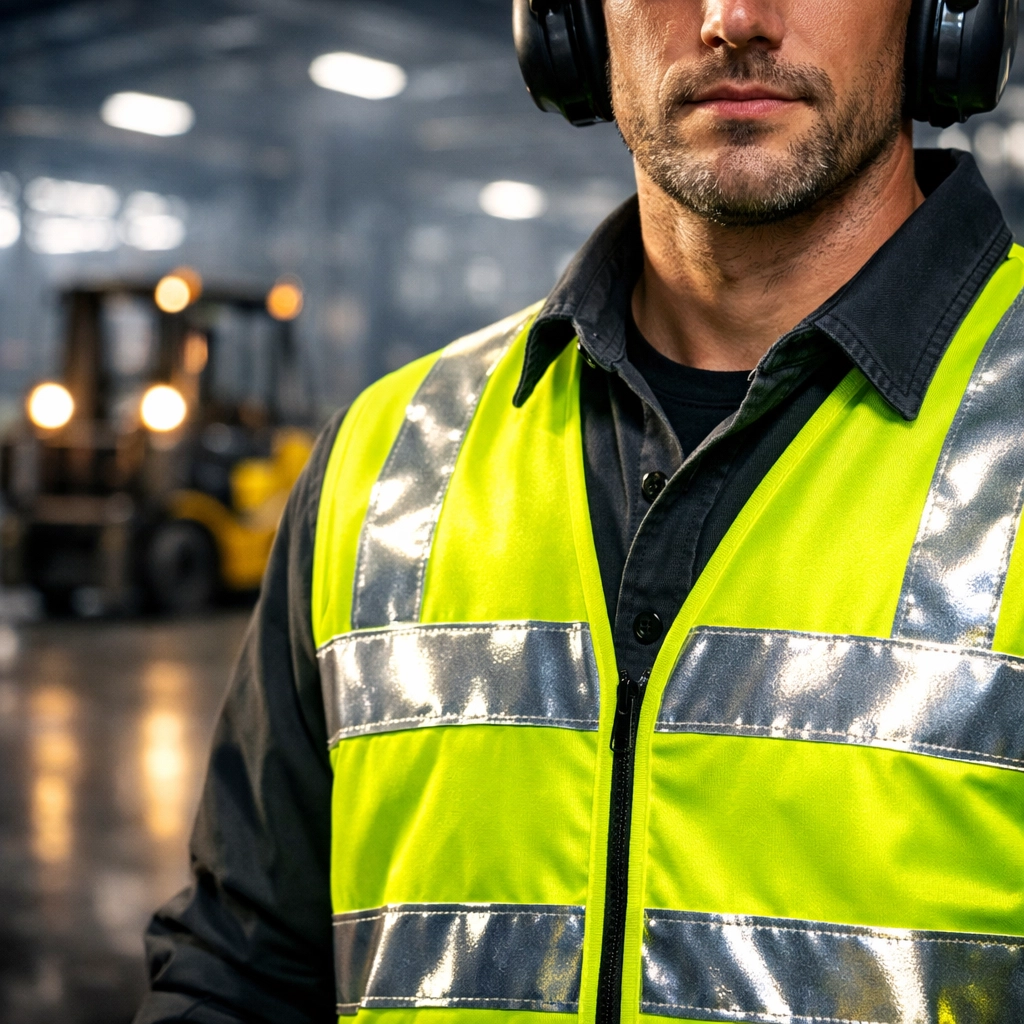
Do You Really Need Hi-Vis Clothing for Every Site? Here’s the Truth
We’ve all seen it: the person in the supermarket queue at 5:30 PM, glowing like a radioactive lemon in a full high-visibility bomber jacket just to buy a pint of milk. It’s become such a common sight in the UK and beyond that we sometimes stop asking why we’re wearing it.
If you’re running a business in the construction, manufacturing, or maintenance sectors, you’ve probably asked yourself: "Do my guys really need to be decked out in neon for every single job?" Or perhaps you’re wondering if a simple vest is enough when the sun is out and the site feels safe.
The short answer is: No, you don’t need it for every site, but the "why" and "when" are much more important than the "if." At Office Business Supplies, we help teams get kitted out every day, and we’ve seen the difference the right gear makes. Let’s look at the truth behind hi-vis requirements in 2026.
The Safety Reality: It’s About Being Seen, Not Just Noticed
The primary reason for high-visibility clothing isn’t just to look official; it’s to ensure that the human eye can distinguish a person from their background in a split second. In the manufacturing and construction worlds, "split seconds" are often the difference between a normal day and a catastrophic accident.
When you’re working around heavy machinery or moving vehicles, the operator’s field of vision is often restricted. Dust, debris, and low-light conditions (like those rainy Tuesday mornings in November) make it even harder. Hi-vis gear uses fluorescent materials to react with UV light, making them "glow" even in the daytime, while reflective strips bounce light back to the source, like a truck’s headlights.
However, the necessity depends on the risk. If you are working in a warehouse where pedestrians and forklifts are strictly separated by physical barriers and the lighting is stadium-grade, the requirements might differ from a roadside maintenance crew working at dusk. But even then, why take the risk?
Regulatory Requirements: The "Class" System
It’s not just a matter of opinion; there are actual rules. In many jurisdictions, including the UK and those following OSHA standards, hi-vis is graded into classes based on the level of risk:
- Class 1: Lowest visibility. Think of the simple waistcoats used in low-traffic areas or areas where vehicles move at slow speeds (under 20mph).
- Class 2: Mandatory for higher speeds and areas where weather might impair visibility. This usually requires more reflective material and fluorescent fabric than a standard vest.
- Class 3: The heavy hitters. These are the jackets and trousers with sleeves and legs that have reflective bands. These are mandatory for high-speed roadwork (50mph+) and high-risk environments like airport runways.
If you’re unsure what your site requires, a risk assessment is your best friend. But here’s a tip from us: it’s almost always better to over-spec than under-spec. A Class 3 jacket from a brand like Regatta or Uneek doesn’t just keep you visible; it keeps you warm and dry too.
Beyond the Vest: The Professional Look
Let’s talk about something that gets overlooked: branding. In the maintenance and construction sectors, your team is your moving billboard. When a team arrives on a site wearing matching, clean, high-quality hi-vis gear, it sends a message of professionalism and competence.
Using brands like Uneek or Regatta allows you to maintain a cohesive look. When your crew is wearing coordinated jackets, hard hats, and safety boots, it builds trust with the client. It says, "We take our safety seriously, which means we’ll take your project seriously too."
This ties directly into what we call The Engineer’s Uniform. An engineer isn't just someone with a wrench; they are a professional representative of your company. Having a structured uniform policy that includes hi-vis ensures that even when they are working in the mud, they look like part of an elite team.
Emergency Identification: Why Hi-Vis Saves Seconds
In a manufacturing plant or a large office-based construction project, hi-vis serves a secondary, vital purpose: emergency identification.
During a fire evacuation or a chemical spill, you need to know who is in charge. This is where coloured hi-vis (like orange, blue, or green) comes into play. Assigning specific colours to fire wardens or first aiders allows employees to spot them instantly in a crowd.
For site managers, keeping track of who is supposed to be on-site is equally important. Pairing hi-vis gear with a clear visitors-badge system ensures that anyone not in the proper gear or lacking credentials stands out immediately. This is security and safety rolled into one.
The Full Kit: It’s Not Just About the Jacket
If you think putting a neon vest over a hoodie is "PPE," we need to have a chat. Total site safety is about the full package.
- Hard Hats: Essential for construction, obviously. But even in maintenance, head protection in tight spaces is a lifesaver.
- Gloves: From heavy-duty grip to precision work, your hands are your livelihood.
- Safety Boots: Essential for protecting against falling objects and providing the grip needed on uneven site terrain.
- Hearing and Respiratory Protection: If you’re working in manufacturing, don't forget the "invisible" hazards. Using ear-plugs and respirators is just as vital as wearing your hi-vis.
While you are upgrading your kit, it’s worth considering the long-term impact of your choices. We’ve noticed a huge shift in the industry lately towards more conscious purchasing. You might want to ask yourself, Does Sustainable PPE Equipment Really Matter in 2026? We certainly think so. Durable gear from reputable brands means less waste and better protection over time.
When You Don't Need It (And When You Definitely Do)
Is there ever a time to ditch the neon?
- The "Clean" Office Environment: If you’re a site manager spending the day in the site office doing paperwork or using handheld-calculators to check the budget, you probably don't need a Class 3 bomber jacket.
- Non-Hazardous Zones: Defined walkways in low-traffic areas often don't require full hi-vis, provided they are well-lit and separated from machinery.
However, the "Truth" is that the moment you step onto the active site floor or near a vehicle's path, the hi-vis goes on. No exceptions. It’s a habit that saves lives.
Choosing the Right Gear for Your Sector
Different sectors have different "neon needs":
1. Construction
In construction, durability is king. You need gear that can handle being dragged against scaffolding and splashed with cement. Regatta makes fantastic waterproof hi-vis jackets that actually breathe, so your team doesn't overheat while doing heavy lifting.
2. Manufacturing
In a factory setting, you might not need the heavy waterproofing of a construction site, but you need "snag-free" gear. Vests with break-away seams are great if there’s a risk of getting caught in moving parts.
3. Maintenance
For maintenance crews moving between different environments, versatility is key. A hi-vis fleece from Uneek provides warmth for outdoor repairs but is light enough to wear inside a plant without looking like you’re ready for a blizzard.
Final Verdict: Is it Worth It?
So, do you really need hi-vis for every site? If the site has moving parts, vehicles, or low light, yes. If the site requires a professional, unified presence, yes. If you want to ensure your emergency procedures work flawlessly, yes.
At Office Business Supplies, we believe that safety shouldn’t be a chore. It should be a part of the professional culture of your business. Whether you need a few vests for visitors or a full Class 3 outfit for your road crew, we’ve got the brands like Uneek and Regatta to keep you covered.
Don't wait for an inspector to tell you your team isn't visible enough. Take a look at your current PPE and ask if it's really doing the job. If it’s looking a bit faded (remember, the fluorescent chemicals in the fabric do break down over time!), it might be time for an upgrade.
Stay safe out there, stay visible, and keep your team looking like the pros they are.