
If you run or manage a manufacturing business, you've probably heard the buzz around smart wearables. But what exactly are they, and more importantly, can they actually make a difference on your shop floor?
The short answer is yes. Smart wearables are changing how UK manufacturers approach everything from worker safety to daily productivity. And the best part? You don't need to be a tech giant to benefit from them.
Let's break it down in plain English.
What Are Smart Wearables?
Smart wearables are devices that workers can wear on their bodies: think glasses, helmets, vests, watches, and even gloves: that are connected to the internet or your company's network. They collect data, provide real-time information, and help workers do their jobs more safely and efficiently.
Unlike your average smartwatch that counts steps, these industrial wearables are designed specifically for demanding work environments. They can monitor vital signs, track location, display instructions, scan barcodes, and even alert supervisors when something goes wrong.
Think of them as a digital assistant that your workers can literally wear.
Key Types of Smart Wearables for Manufacturing
There's no one-size-fits-all solution here. Different wearables serve different purposes, so let's look at the main types you'll encounter.
Smart Glasses
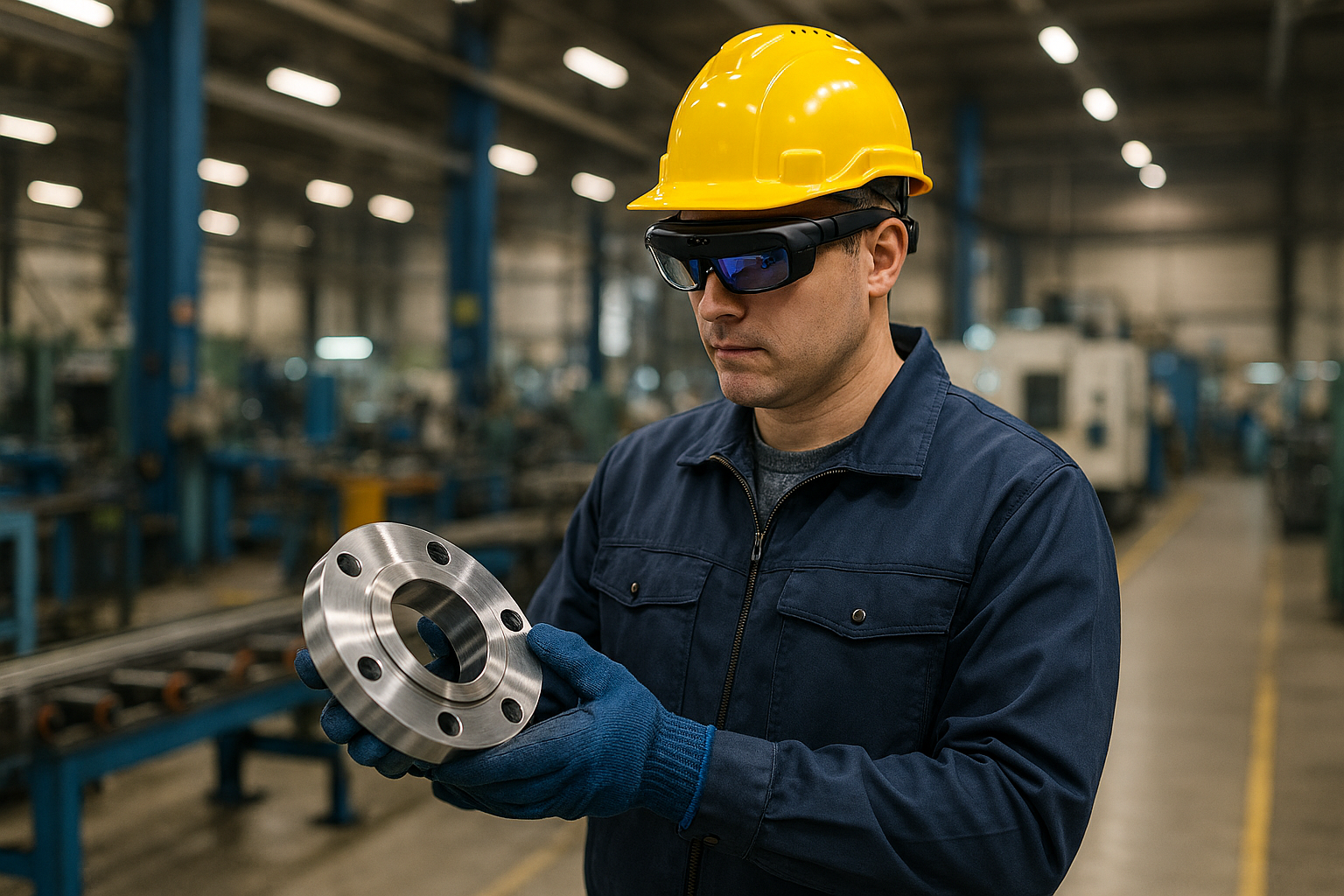
These are probably the most talked-about wearables in manufacturing right now. Smart glasses like Microsoft HoloLens and Magic Leap 2 display information directly in the wearer's field of vision. Workers can see step-by-step assembly instructions, technical diagrams, or quality checklists: all while keeping their hands free.
DHL reported a 25% improvement in their picking processes after rolling out augmented reality glasses. That's a significant boost without adding extra staff or equipment.
Smart Helmets
For industries where hard hats are mandatory, smart helmets take protection to the next level. They can include built-in cameras, communication systems, environmental sensors, and even heads-up displays. Some models detect impacts and alert supervisors if a worker has taken a fall.
Smart Vests and E-Textiles
Safety vests embedded with sensors can track worker movements, monitor body temperature, and detect hazardous conditions. Companies like Google's Jacquard have developed IoT-integrated fabrics that can be woven directly into workwear: turning ordinary uniforms into data-collecting devices.
These are particularly useful for tracking employee location in large facilities and ensuring workers don't accidentally enter restricted or dangerous zones.
Wrist-Mounted Devices and Smartwatches
Industrial smartwatches aren't just for notifications. They can receive instant alerts when equipment fails, track work tasks, and even monitor fatigue levels. Some models vibrate to warn workers of approaching hazards or remind them to take breaks.
Glove Scanners and Wrist Scanners
Hands-free scanning technology is a game-changer for warehouses and assembly lines. Instead of putting down tools to use a barcode scanner, workers can simply point and scan with a device mounted on their hand or wrist. It sounds simple, but it saves countless hours over a typical shift.
Exoskeletons
These might sound like science fiction, but they're already in use in UK manufacturing. Exoskeletons are wearable frames that support the body during repetitive or strenuous tasks. They reduce strain on the back, shoulders, and arms: cutting down on injuries and helping workers stay productive for longer.
Benefits for Safety
Let's be honest: manufacturing can be dangerous. According to the Health and Safety Executive (HSE), the manufacturing sector consistently reports high numbers of workplace injuries each year. Smart wearables offer practical ways to reduce those risks.
Real-Time Health Monitoring
Wearable sensors can track vital signs like heart rate, body temperature, and even stress levels. If something's off, the system can alert both the worker and their supervisor before a minor issue becomes a major incident.
Hazard Detection
Some wearables detect exposure to harmful chemicals, gases, or extreme temperatures. Workers get immediate warnings, giving them time to evacuate or take protective action. This is especially valuable in chemical processing, metalworking, and other high-risk environments.
Fall and Impact Alerts
Slips, trips, and falls are among the most common workplace accidents. Wearables can detect when a worker has fallen and automatically alert colleagues or first aid responders: speeding up emergency response times significantly.
Zone Prevention
Using GPS or beacon technology, smart vests and badges can prevent workers from entering restricted areas. If someone gets too close to a danger zone, the device alerts them: or locks down access entirely.
Benefits for Productivity
Safety is crucial, but let's talk about the bottom line too. Smart wearables can genuinely boost efficiency on the shop floor.
Hands-Free Operation
When workers can access instructions, scan items, or communicate without putting down their tools, everything moves faster. Smart glasses and glove scanners are perfect examples: keeping hands free means fewer interruptions and smoother workflows.
Reduced Human Error
Visual overlays and step-by-step guidance help workers complete tasks correctly the first time. This is especially useful for complex assemblies or quality checks where mistakes can be costly.
Faster Training
New employees can get up to speed quicker when they have real-time guidance displayed right in front of them. Instead of memorising lengthy manuals, they learn by doing: with digital support every step of the way.
Better Data for Better Decisions
Wearables collect a wealth of operational data. Over time, you can spot patterns: like which tasks cause the most delays or where accidents are most likely to happen. That insight helps you make smarter decisions about staffing, layouts, and processes.
Recent Trends in the UK
The UK manufacturing sector is warming up to smart wearables, and adoption is growing steadily. Here's what's happening:
- Government support for Industry 4.0: UK initiatives like Made Smarter are encouraging manufacturers to embrace digital technologies, including wearables. Funding and advice are available for small and medium businesses looking to modernise.
- Focus on mental health and fatigue: There's increasing interest in wearables that monitor stress and fatigue: helping employers support worker wellbeing, not just physical safety.
- Integration with existing systems: More wearables now connect seamlessly with enterprise software, making it easier to pull data into your existing workflows without a complete tech overhaul.
- Falling costs: As the technology matures, prices are coming down. What was once only affordable for large corporations is now within reach for smaller manufacturers too.
How to Get Started with Smart Wearables
Ready to explore smart wearables for your business? Here's a practical roadmap.
1. Identify Your Pain Points
Start with the problems you want to solve. Is it workplace injuries? Slow picking times? Training bottlenecks? Knowing your priorities helps you choose the right technology.
2. Start Small
You don't need to outfit your entire workforce on day one. Pilot a project with a single team or production line. Test what works, gather feedback, and refine your approach before scaling up.
3. Involve Your Workers
The people wearing these devices need to be on board. Explain the benefits, address privacy concerns, and involve them in the selection process. Adoption is always smoother when workers feel included.
4. Choose the Right Partners
Work with reputable suppliers who understand manufacturing environments. Look for devices that are durable, easy to use, and compatible with your existing systems.
5. Review and Improve
Once your wearables are up and running, don't just set and forget. Regularly review the data they provide and look for opportunities to improve safety, efficiency, and worker satisfaction.
Final Thoughts
Smart wearables aren't just a passing trend: they're becoming a practical tool for UK manufacturers who want to stay competitive, keep workers safe, and run more efficient operations.
Whether you're looking at smart glasses to speed up assembly, vests that monitor worker location, or exoskeletons to reduce strain injuries, there's a solution out there that fits your needs and budget.
The key is to start with a clear goal, involve your team, and build from there. The shop floor of the future is wearable: and it's closer than you think.
If you're upgrading your workplace, don't forget the essentials. From respirators to ear plugs, Office Business Supplies has you covered for all your health and safety needs.